Levitas Micro-immunotherapy/Safety & Science
Safety & Science
Microimmunotherapy uses ultra-low physiological doses with an excellent safety profile. Read the science behind how MIT works and its evidence base.
In brief
Gentle by design, grounded in immunology
Microimmunotherapy uses the same messenger molecules the immune system relies on every day — cytokines, growth factors and specific nucleic acids — at doses in the low and ultra-low range. The aim is to support the body's own regulation, not to override it.
Messenger molecules used at low and ultra-low concentrations
Taken under the tongue — no injections, no clinic visits to dose
Of clinical use in Europe and a growing body of published work
Designed to sit alongside, not replace, existing medical care
How low-dose immune modulation works
The immune system runs on conversation. Microimmunotherapy joins that conversation quietly, in the body's own language.
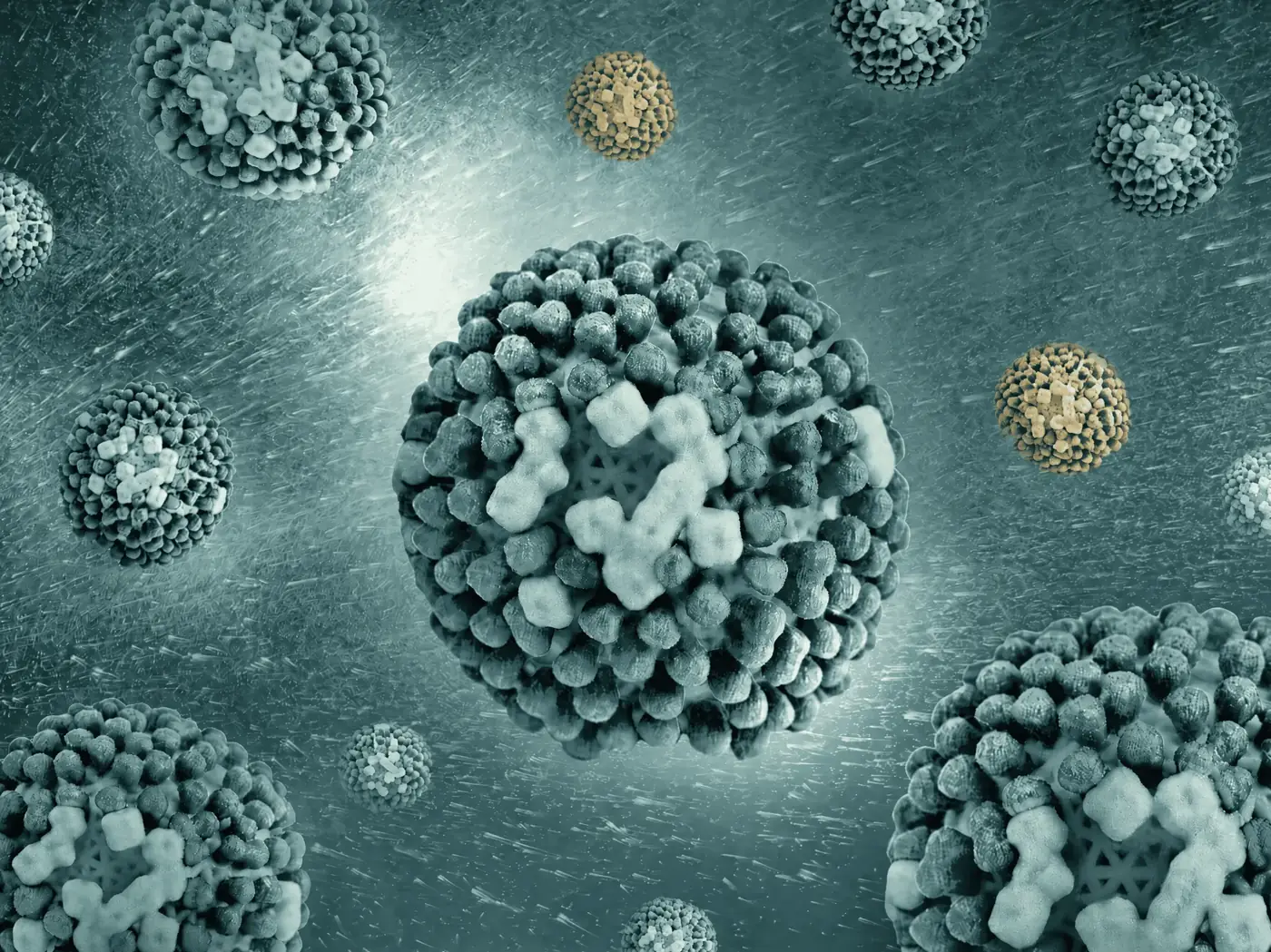
Every immune response is coordinated by messenger molecules — cytokines, growth factors and nucleic-acid signals — released in tiny quantities and read by cells across the body. When these signals become disordered, the immune system can stay switched on when it should settle, or fail to respond when it should act.
Microimmunotherapy formulas deliver those same messengers at low and ultra-low doses, in a specific sequence over a course of days. Rather than flooding the system, the intention is to nudge communication back towards a balanced pattern and let the body's own regulation take over.
The approach modulates immune signalling; it does not suppress or artificially stimulate the immune system.
Safety profile
Because doses sit within a physiological range, the therapy is generally well tolerated.
The concentrations used in microimmunotherapy are comparable to, or lower than, the levels at which the body naturally produces these molecules. Reported side effects in clinical practice are uncommon and typically mild and transient — occasional tiredness or a short period of increased symptoms as the body adjusts, which usually settles without intervention.
Formulas are prescribed by a clinician after a full history, and can generally be taken alongside conventional medication. As with any therapy, your clinician will review suitability — including during pregnancy, breastfeeding, or where there is a history of transplant or specific immune conditions.
Always tell your clinician about every medication and supplement you take so the protocol can be planned safely.

The evidence base
A developing field, with laboratory, observational and clinical studies continuing to build the picture.
Research into low-dose immune signalling spans in-vitro work on how micro-doses influence cell behaviour, observational series from clinics using microimmunotherapy in practice, and a smaller number of controlled clinical studies in specific conditions. Findings to date are encouraging in several areas, particularly around tolerability and supporting recovery from viral-linked fatigue.
We are candid that the evidence base is still maturing. Larger, independent trials are needed, and at Levitas we present microimmunotherapy as one component of a wider, measurable plan — reviewed against your own symptoms, bloods and progress rather than promises.
Ask your clinician for a summary of the research relevant to your situation; we are happy to share it.

Years of research
The roots of the approach stretch back over half a century of immunology.
The idea that the immune system could be guided with its own signalling molecules emerged in the 1960s and 70s as cytokines were first identified. Through the 1980s and 90s, European practitioners developed formulations combining several messengers in sequenced low doses, and the first dedicated microimmunotherapy laboratories were established.
Since then the field has focused on refining formulas for specific immune patterns, improving manufacturing standards, and documenting outcomes in clinical use. Today microimmunotherapy is prescribed by integrative and functional-medicine clinicians across Europe, including at Levitas Clinics.
Microimmunotherapy is an established practice in European integrative medicine, with ongoing research rather than a finished story.
Toxicity
Ultra-low doses mean the risk of toxicity is considered very low.
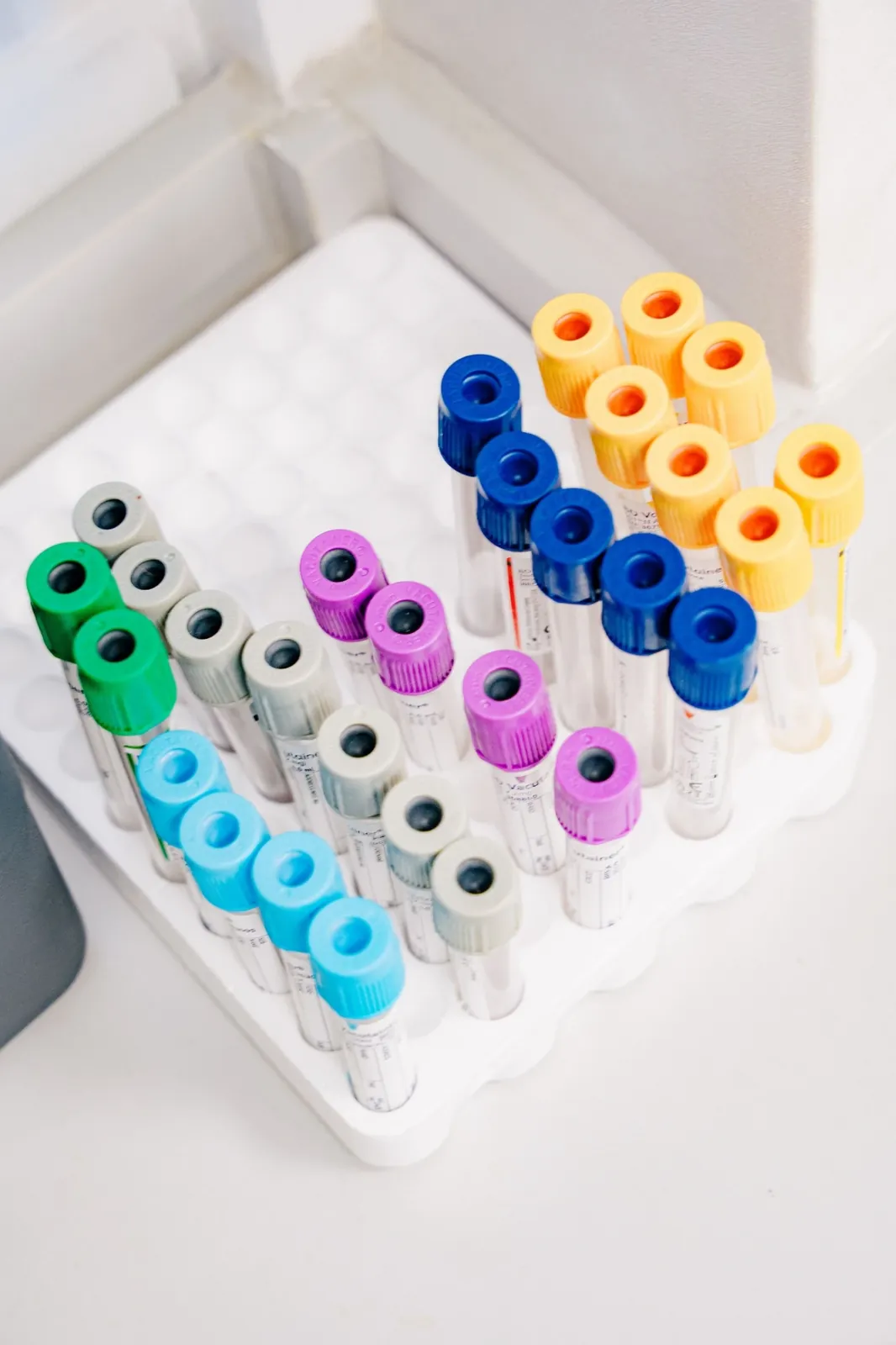
Toxicity concerns in medicine usually relate to dose. Microimmunotherapy formulas use messenger molecules at concentrations far below those associated with pharmacological cytokine therapies, and are prepared under pharmaceutical manufacturing standards with batch quality control.
No cumulative toxicity has been described in the clinical literature to date, and the formulas contain no steroids, antibiotics or synthetic immune suppressants. As with any product taken over time, your clinician will set a defined course length and review points rather than open-ended use.
Formulas are manufactured to pharmaceutical standards and prescribed for defined courses with regular review.
What to expect
How a Microimmunotherapy protocol is prescribed and monitored at Levitas
Consultation
A full history and discussion of your goals, current treatments and any contraindications with a Levitas clinician.
Assessment
Where helpful, targeted blood work and immune markers to understand your current pattern and give a baseline.
Protocol
A sequenced formula course, usually taken sublingually once daily, with clear instructions and a defined duration.
Review
Scheduled follow-ups to track symptoms and markers, adjust the protocol, and decide together whether to continue.
Microimmunotherapy is a complementary approach and is not a replacement for conventional diagnosis or treatment. Individual responses vary. Your Levitas clinician will discuss whether it is appropriate for you, how it fits alongside any existing care, and what to expect during a protocol.
Our locations
Visit us in Guildford, Esher and London

Levitas Clinic Guildford
116 London Road
Guildford, Surrey GU1 1TN
Monday-Friday: 7.00 a.m. - 8.00 p.m.
Saturday-Sunday: 7.00 a.m. - 8.00 p.m.
The practice is closed on all bank holidays and between 1 p.m.-2 p.m. daily for staff handover. Opening hours over the Christmas period will differ from above.

Levitas Clinic Esher
8 High Street
Esher, Surrey KT10 9RT
Monday-Friday: 7.00 a.m. - 8.00 p.m.
Saturday-Sunday: 7.00 a.m. - 8.00 p.m.
The practice is closed on all bank holidays and between 1 p.m.-2 p.m. daily for staff handover. Opening hours over the Christmas period will differ from above.

Levitas Clinic London
20 Woodstock Street
London W1C 2AP
Monday-Friday: 7.00 a.m. - 8.00 p.m.
Saturday-Sunday: 7.00 a.m. - 8.00 p.m.
The practice is closed on all bank holidays and between 1 p.m.-2 p.m. daily for staff handover. Opening hours over the Christmas period will differ from above.